
Calling all Thrill Junkies
Frequently Asked Questions
The best time to visit Ladakh is from May to September when the roads are clear and weather conditions are favorable for riding.
A Ladakh tour typically requires a minimum of 7 days, and Max 12 days to explore the region fully.
Accommodation options in Ladakh include deluxe hotels and Swiss tents, providing comfortable stays for riders.
You can find a variety of food in Ladakh, including vegetarian dishes and local specialties like spicy Thukpa.
Yes, Ladakh is generally considered safe for female riders and couples.
The terrain in Ladakh is challenging, with about 70% tarmac roads and 30% off-road sections.
A Ladakh bike trip is considered moderately difficult due to the high altitude, tough terrain, and varying weather conditions.
The Royal Enfield Himalayan 411cc is ideal for the Ladakh terrain. Other bikes may be available, but upgrades depend on their condition and availability.
Yes, you will need an Inner Line Permit (ILP) to ride in certain areas of Ladakh.
Mobile network availability in Ladakh is limited. Postpaid connections work, with availability varying by location:
Manali, Leh, Nubra, Danahu, Sonamarg, Srinagar: Airtel, Jio, BSNL
Pangong: Jio
Hanle : Airtel, BSNL
For a Ladakh bike tour, it is essential to carry specific documents based on whether you are an Indian citizen or a foreign national.
For Indian citizens : Aadhar card or any Government-issued ID and Driving License
For Foreign National : Passport , Visa (or e-Visa) and International Driving Permit (IDP)
Yes, you can use your own bike or vehicle, provided it is registered in your name or your spouse’s name.
The best time to visit Ladakh is from May to September when the roads are clear and weather conditions are favorable for riding.
A Ladakh tour typically requires a minimum of 7 days, and Max 12 days to explore the region fully.
Accommodation options in Ladakh include deluxe hotels and Swiss tents, providing comfortable stays for riders.
You can find a variety of food in Ladakh, including vegetarian dishes and local specialties like spicy Thukpa.
Yes, Ladakh is generally considered safe for female riders and couples.
The terrain in Ladakh is challenging, with about 70% tarmac roads and 30% off-road sections.
A Ladakh bike trip is considered moderately difficult due to the high altitude, tough terrain, and varying weather conditions.
The Royal Enfield Himalayan 411cc is ideal for the Ladakh terrain. Other bikes may be available, but upgrades depend on their condition and availability.
Yes, you will need an Inner Line Permit (ILP) to ride in certain areas of Ladakh.
Mobile network availability in Ladakh is limited. Postpaid connections work, with availability varying by location:
Manali, Leh, Nubra, Danahu, Sonamarg, Srinagar: Airtel, Jio, BSNL
Pangong: Jio
Hanle : Airtel, BSNL
For a Ladakh bike tour, it is essential to carry specific documents based on whether you are an Indian citizen or a foreign national.
For Indian citizens : Aadhar card or any Government-issued ID and Driving License
For Foreign National : Passport , Visa (or e-Visa) and International Driving Permit (IDP)
Yes, you can use your own bike or vehicle, provided it is registered in your name or your spouse’s name.
Key near by Attractions

High-altitude lake with brackish water and shifting colours set against the Himalayas, revered as a holy site. Ideal for serene nature encounters and sunset views. Limited accommodations.

Scenic camel safaris through cold desert landscapes, with cultural landmarks like the serene Diskit Monastery and lush oases amidst dunes in a peaceful valley.

War memorial with detailed military history displays and mountain views, complemented by a South Indian eatery. Evokes a sense of patriotism.

Magnetic Hill is a fascinating spot where things seem to defy gravity. Situated in a picturesque landscape, this optical illusion makes it appear as if vehicles can roll uphill all by themselves. It’s like magic!

Umling La Pass is way up high in Ladakh, India. It’s famous because it’s one of the highest roads in the world that cars can drive on. When you go up there, you see amazing views of the Himalayas, with lots of snow on the mountains.
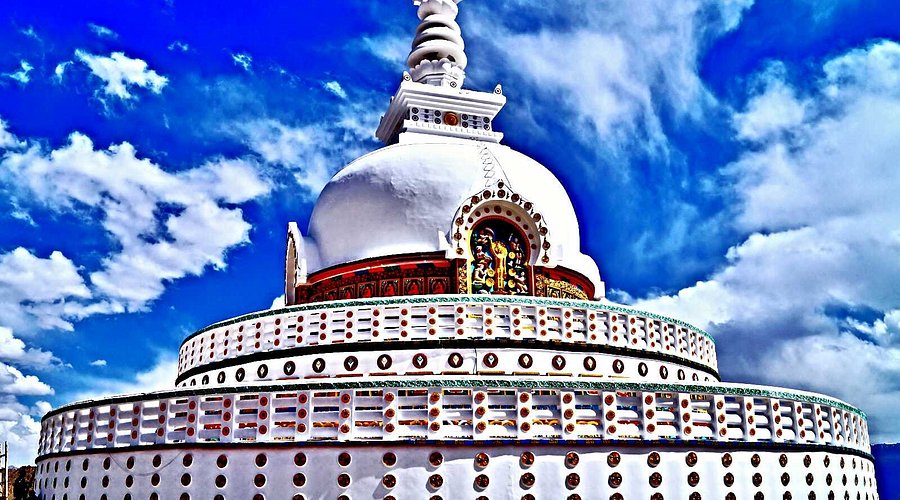
Serene hilltop stupa surrounded by panoramic views, ideal for sunset and sunrise meditation. Includes a café and culturally significant art.
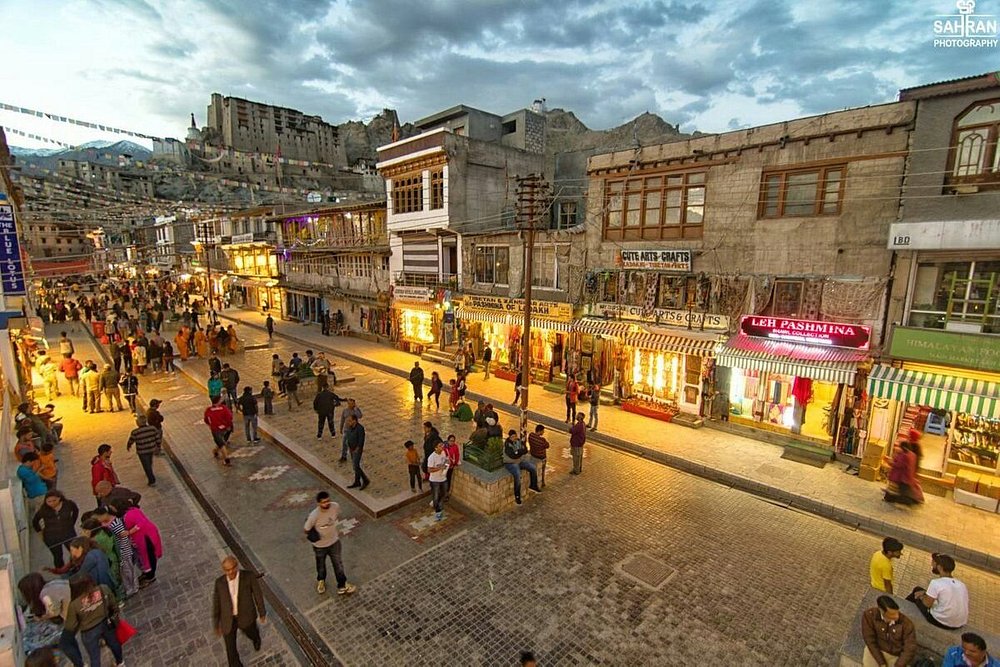
Bustling marketplace nestled in a vibrant neighborhood, lined with diverse shops for local arts, winter wear, and unique souvenirs. Features cultural activities and scenic mountain views.
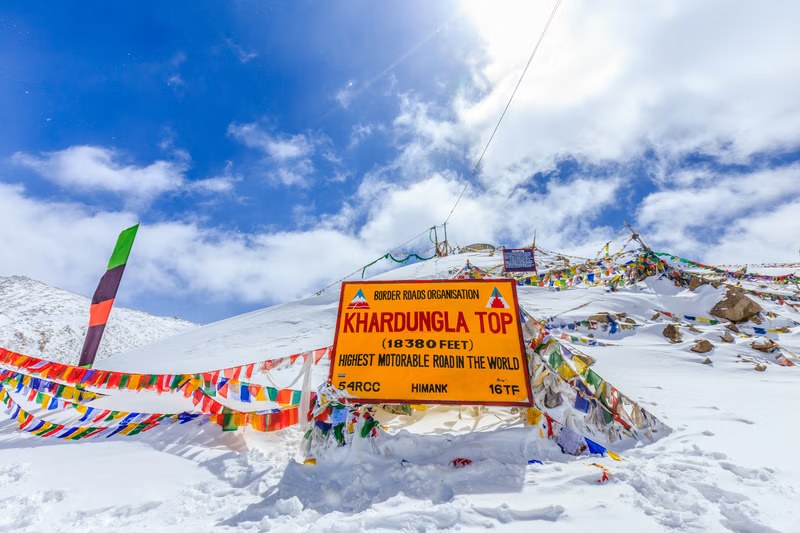
High-altitude mountain pass featuring breathtaking landscapes and opportunities for photography amidst challenging conditions. Requires acclimatization for the high elevation experience.

Hilltop Buddhist monastery resembling the iconic Potala Palace, featuring temple rooms, artifacts, and the Maitreya Temple; tranquil ambiance with ritual chants

Surrounded by big mountains, looks really amazing. You see calm water reflecting the blue sky and tall mountains. when the day ends and the sun hides behind the mountains, the sky becomes a colorful painting with orange, pink, and purple.
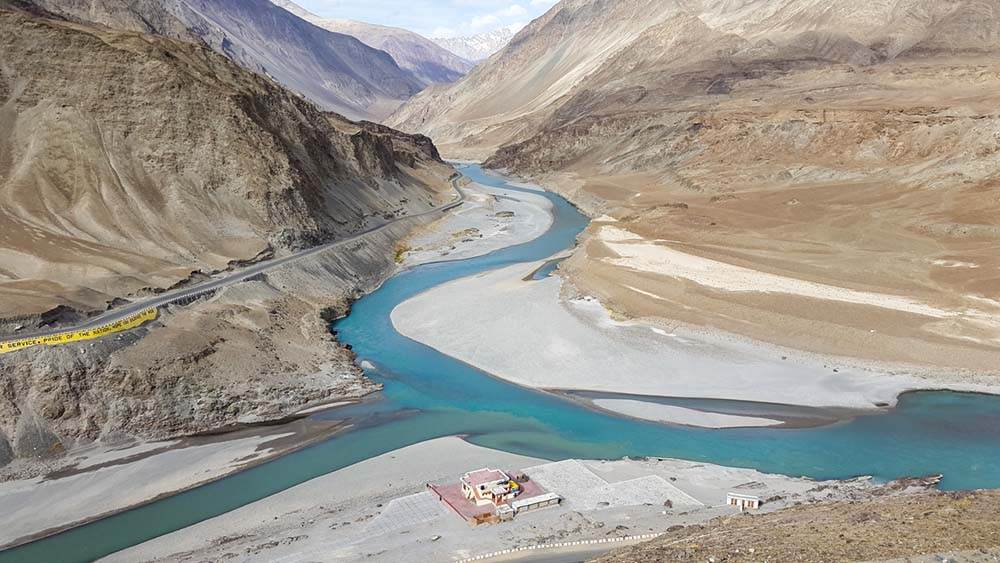
Sangam Point, found in the breathtaking region of Leh, Ladakh, is where two grand rivers, the Indus and the Zanskar, merge together. Approaching Sangam Point, the scenery changes, offering expansive views of towering mountains and winding valleys.

Chang La, nestled in the Ladakh region of India, stands as one of the highest mountain passes in the world, offering a breathtaking journey through the Himalayas. Travelers embark on an unforgettable adventure as they ascend to dizzying heights.
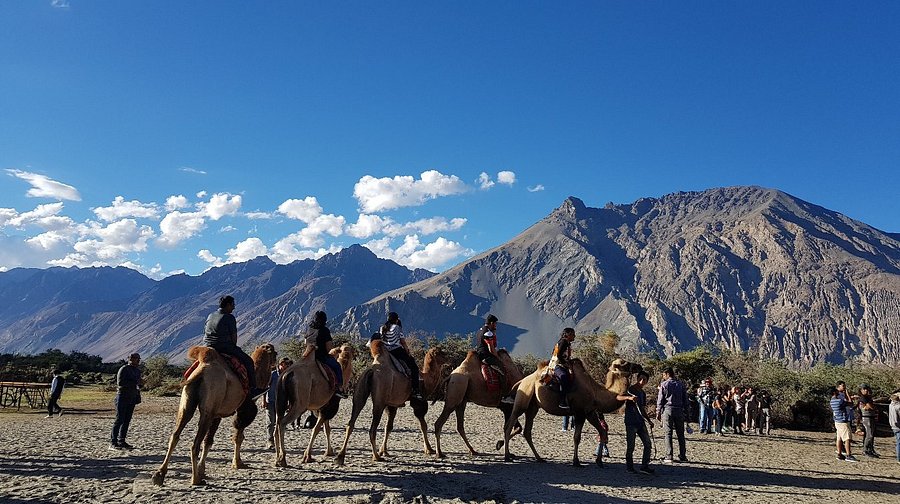
Amidst the sand-dunes of an eco village and the natural sea buckthorn jungle and on the banks of a great river.
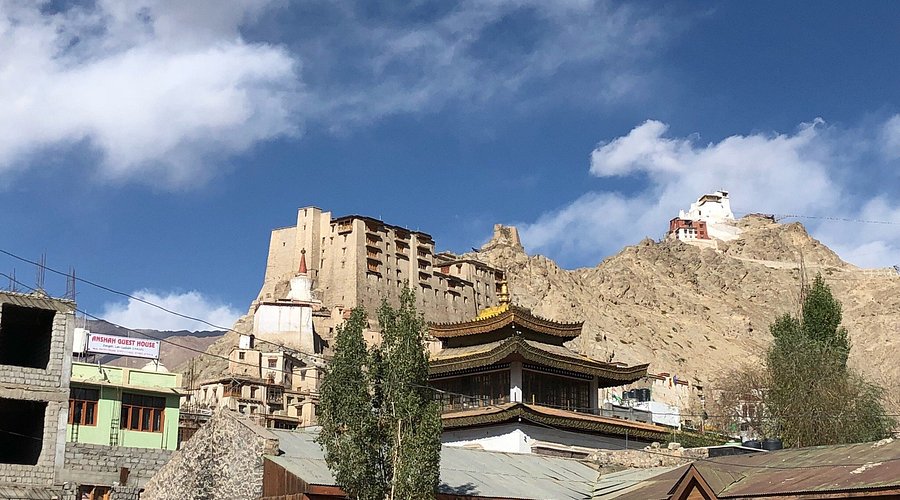
Historic palace remains perched on a steep incline, revealing panoramic city views and a glimpse into the region’s royal past through its photo gallery and audio-visual exhibits.